Art Tools

Artist highlight: Jonathan van Immerzeel

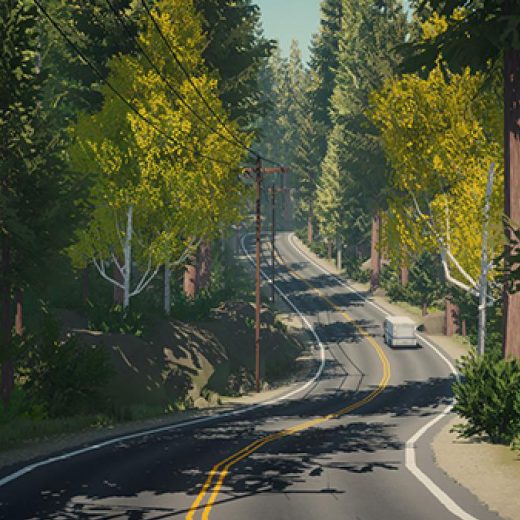
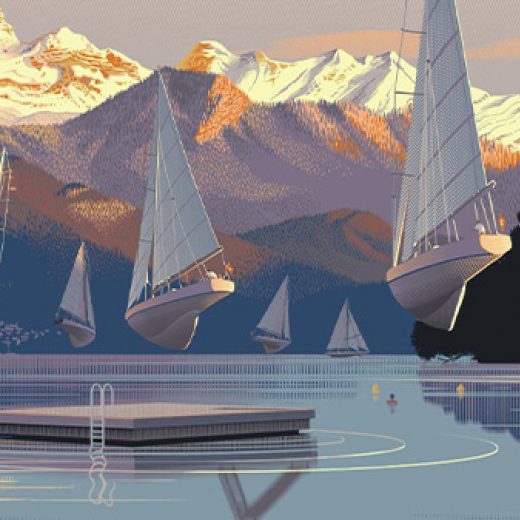
When I was really getting my feet wet with 3D modeling, games like Rime and Breath of the Wild always managed to captivate my interest. Their abstracted art styles and use of color inspired a sense of adventure and exploration which really resonated with me. Non-photorealistic game art still sits at the core of what I strive for. More recently, Ubisoft’s open world games have set the bar for me in terms of scale and worldbuilding workflows. I can only imagine the amount of research and development that must go into vegetation alone. Over time, I started learning more about the natural world through reference materials, which drove me to see those places in person. This provided me ample opportunities to capture source materials and generally soak up inspiration. In a sense, observing and simplifying the intricacies of nature and translating them to a video game context sits at the heart of my job!
Read More

We’re back! Join us at the Annecy International Animation Festival 2022

Friday, June 17, 10:00–10:45 am XR for large-scale live events: A TED 2022 case study Sinan AlRubaye, Chief Experience Officer, ICVR Chris Swiatek, Chief of Product, ICVR Cassandra Rosenthal, cofounder and co-CEO, Kaleidoco Particle Ink: Speed of Dark is an immersive mixed reality experience combining street art, live performances, and XR technology. It transports the viewer into a living graphic novel using the Unity real-time 3D development platform with a mix of projection mapping and live broadcast.  Conceived by creatives from Cirque du Soleil, during the inaugural TED Talk of 2022, ICVR brought the live XR immersive experience to the 1,100-strong audience, each with one with synchronized iPads. Here, we will break down the tech behind Kaleidoco’s reveal of the Particle Ink world at the TED 2022 opening show, and discuss the future of live XR. 

Read More

Unity Art tools: A new era of creativity

Many artists have told us that they find the tools and pipelines for digital content creation fragmented. Not only do they require excessive manual work, they don’t always lend themselves well to effective collaboration. Success with these tools, then, primarily requires the removal of the barriers caused by those fragmented datasets and disjointed creation systems. Over the past two years, Unity has been developing and refining its existing artistry tools to bring content authoring technologies together and remove those barriers from the creation process. This is a major priority moving forward, as Ziva Co-founder and Academy Award Winner James Jacobs notes: “We have worked really hard to make sure that creators have the best possible experience.” For Unity, this means accelerating solutions to the hard problems that artists face and making iteration of content creation more approachable than ever. “I’m super excited about 3D art expanding beyond just simple assets and modest ambitions.” Bay Raitt, the talented creator of Gollum’s facial animation system for the LOTR trilogy, and now a developer at Unity, provides direct insight into why this artist-first mentality is crucial for building out our professional artistry toolkit: “It was always a little frustrating that [some content creation tools] are landlocked… When you move away from that studio you think, ‘oh, these fragmented pieces don’t have to be done in separate ways. They can be done in this sort of networked way, in concert together.’”

Read More