
Best Browser Testing Tools for Romania 2026
Browser testing is a critical component of modern software development and quality assurance. In 2026, ensuring your website or application functions flawlessly across a multitude of browsers and devices is paramount for user satisfaction, conversion rates, and overall brand reputation. For businesses operating in or targeting Romania, understanding the landscape of browser testing tools is essential. This article explores the best tools available, focusing on their features, benefits, and suitability for the Romanian market, helping you make informed decisions to enhance your digital product’s quality.
The digital economy is booming, and user expectations are higher than ever. A recent report by Statista indicated that mobile internet usage continues to surge globally, with a significant portion of users accessing websites via various mobile browsers. This trend underscores the necessity of robust browser testing. In Romania, internet penetration is also on the rise, with more individuals and businesses coming online. Therefore, delivering a consistent and high-quality user experience across all platforms is not just good practice; it’s a business imperative.
Why is Browser Testing Crucial for Romanian Businesses?
Browser testing verifies that a website or web application displays and functions correctly on different web browsers (like Chrome, Firefox, Safari, Edge), browser versions, and operating systems. This process helps identify and fix compatibility issues, ensuring a seamless experience for all users, regardless of their chosen technology.
For Romanian businesses, effective browser testing translates directly into tangible benefits:
- Enhanced User Experience: A bug-free, consistent experience across browsers leads to higher user satisfaction and engagement. Users are more likely to return to a site that works well.
- Increased Conversion Rates: When users encounter functional issues or design inconsistencies, they often abandon the site, leading to lost sales or leads. Proper testing minimizes these occurrences.
- Broader Audience Reach: By testing on various browsers and devices, you ensure your product is accessible to a wider demographic, including those who may use older browsers or less common devices.
- Improved SEO Performance: Search engines like Google consider user experience signals, such as page load speed and mobile-friendliness, which are directly impacted by browser compatibility.
- Reduced Development Costs: Identifying and fixing bugs early in the development cycle is significantly cheaper than addressing them after deployment.
Key Considerations When Choosing Browser Testing Tools
Selecting the right browser testing tool depends on several factors specific to your business needs and technical capabilities. Here are key considerations:
- Scope of Testing: Do you need to test on a few core browsers, or do you require extensive coverage across dozens of browser/OS combinations?
- Automation Capabilities: Manual testing is time-consuming. Tools offering automated testing can significantly speed up the process and improve efficiency. This is where tools that integrate with CI/CD pipelines become invaluable, as discussed in Automated Testing In Software Driving Business Efficiency And Roi.
- Device Coverage: Beyond desktop browsers, do you need to test on various mobile devices (smartphones, tablets) and operating systems (iOS, Android)?
- Real Device vs. Emulators/Simulators: Real devices offer the most accurate testing environment but are expensive. Emulators and simulators mimic device behavior and are more cost-effective.
- Integration with Development Workflow: Can the tool integrate with your existing development tools, like version control systems (e.g., Git) or bug tracking software? Platforms like Diffblue offer integrations that streamline this process, as seen with Diffblue Integrates Generative Ai Based Testing Platform With Gitlab.
- Cost and Scalability: Tools range from free open-source options to expensive enterprise solutions. Consider your budget and how the tool can scale with your growing needs.
- Ease of Use: The learning curve for the tool should align with your team’s technical expertise.
Top Browser Testing Tools and Platforms for Romania in 2026
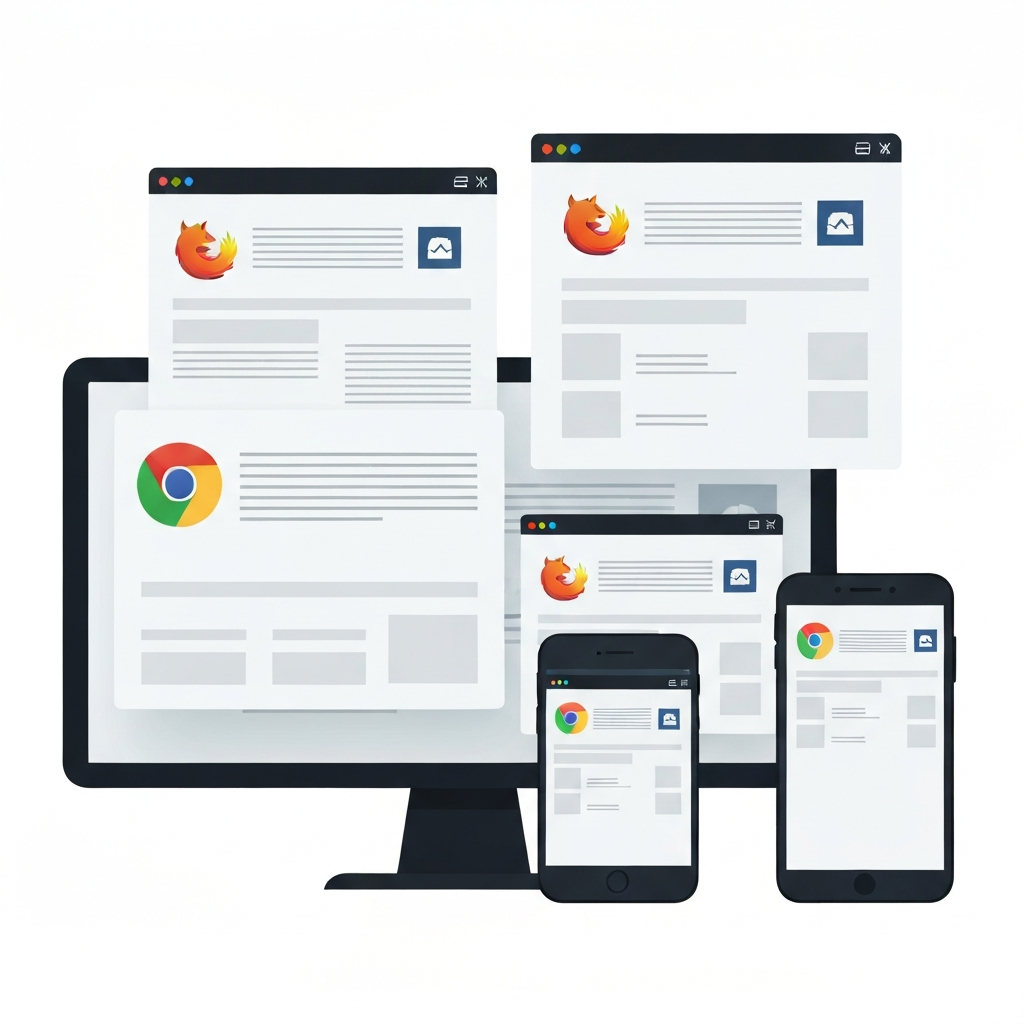
The Romanian market, like the global market, benefits from a wide array of browser testing solutions. These can be broadly categorized into cloud-based platforms, local testing tools, and integrated development environment (IDE) plugins.
Cloud-Based Browser Testing Platforms
Cloud platforms offer the advantage of accessing a vast grid of real browsers and devices hosted remotely. This eliminates the need for maintaining your own physical test lab.
LambdaTest
LambdaTest is a leading cloud-based cross-browser testing platform that provides access to thousands of real and virtual browsers and mobile devices. It supports both manual and automated testing. For Romanian developers, LambdaTest offers a comprehensive solution for testing websites and applications across various configurations.
- Features:
- Live interactive testing on over 3,000 browser/OS combinations.
- Automated testing via Selenium, Cypress, Playwright, and Appium.
- Visual regression testing to detect unintended UI changes.
- Integrations with popular tools like Jira, Slack, and GitHub.
- Test execution on real mobile devices.
- Benefits for Romania:
- Provides access to a global network of testing infrastructure, ensuring accurate results for diverse user bases.
- Scalable solution suitable for startups and large enterprises.
- Offers a cost-effective way to test across numerous environments without hardware investment.
- The platform’s features align with the growing adoption of sophisticated testing practices in Romania, often seen in discussions about the Ai Testing Revolution Supercharge Your Software Automation With Lambdatests Unified Platform.
BrowserStack
BrowserStack is another prominent cloud testing platform, offering a similar extensive range of browsers and devices for testing web and mobile applications. It is widely used by development teams worldwide, including those in Romania.
- Features:
- Live testing on over 2,000 real browsers and devices.
- Automated testing with Selenium, Cypress, and other frameworks.
- Visual testing capabilities.
- Local testing feature to test internal websites.
- Integration with CI/CD pipelines.
- Benefits for Romania:
- Reliable and robust infrastructure for testing.
- Supports testing of locally hosted or staging environments.
- Offers tools for debugging and collaboration among team members.
- A well-established platform that many Romanian developers are already familiar with or can easily adopt.
Sauce Labs
Sauce Labs is a comprehensive cloud-based platform for automated and manual testing of web and mobile applications. It is known for its advanced analytics and integration capabilities.
- Features:
- Large grid of browsers and emulators/simulators.
- Support for Selenium, Appium, and other automation frameworks.
- Visual AI testing for faster bug detection.
- Performance testing features.
- Comprehensive reporting and analytics.
- Benefits for Romania:
- Provides deep insights into test results, aiding in faster debugging.
- Suitable for teams looking for advanced automation and performance testing.
- Scales well for large projects and enterprise needs.
Local Testing Tools and Frameworks
While cloud platforms are powerful, some teams prefer or supplement with local testing tools, especially for rapid iteration during development.
Selenium WebDriver
Selenium is the de facto standard for web browser automation. It’s an open-source framework that allows you to write test scripts in various programming languages (Java, Python, C#, JavaScript) to control browsers.
- Features:
- Supports multiple browsers (Chrome, Firefox, Edge, Safari, etc.).
- Cross-platform compatibility (Windows, macOS, Linux).
- Large community support and extensive documentation.
- Can be integrated with testing frameworks like JUnit, TestNG, PyTest, and Mocha.
- Benefits for Romania:
- Free to use, making it highly accessible for startups and individual developers.
- Provides maximum flexibility and control over the testing process.
- A fundamental skill for many QA engineers and developers, contributing to the skilled workforce in Romania.
- Essential for teams building custom automation solutions.
Cypress
Cypress is a modern, JavaScript-based end-to-end testing framework built for the modern web. It runs directly in the browser, offering faster, more reliable testing.
- Features:
- Fast and reliable test execution.
- Automatic waiting and retry mechanisms.
- Real-time reloads and debugging capabilities.
- Access to DOM elements and network traffic.
- Easier setup compared to Selenium for many JavaScript projects.
- Benefits for Romania:
- Ideal for teams working with modern JavaScript frameworks (React, Angular, Vue.js).
- Its developer-friendly nature can speed up test development.
- Contributes to building robust front-end applications.
Playwright
Playwright is a Node.js library developed by Microsoft for automating Chromium, Firefox, and WebKit with a single API. It’s known for its speed, reliability, and advanced features.
- Features:
- Fast, reliable, and consistent execution.
- Supports multiple browsers and platforms.
- Auto-waits, network interception, and mocking.
- Trace viewer for debugging test failures.
- Cross-origin support.
- Benefits for Romania:
- Excellent choice for teams prioritizing speed and robust automation.
- Its modern architecture is well-suited for contemporary web development practices.
- Offers powerful capabilities for complex testing scenarios.
Integrated Development Environment (IDE) Plugins and Tools
Some IDEs offer plugins or built-in features that can assist with browser testing or test generation.
IDEs with Built-in Testing Support
Modern IDEs like Visual Studio Code, IntelliJ IDEA, and Eclipse often have extensions or built-in capabilities that facilitate running tests, debugging, and integrating with testing frameworks.
- Features:
- Test runners that allow executing tests directly within the IDE.
- Debugging tools for stepping through test code.
- Syntax highlighting and code completion for test scripts.
- Integration with version control systems.
- Benefits for Romania:
- Streamlines the development and testing workflow by keeping everything in one environment.
- Reduces context switching for developers and testers.
- Enhances productivity by providing immediate feedback on code changes.
AI-Powered Test Generation Tools
The rise of Artificial Intelligence is transforming software testing. Tools that leverage AI can automatically generate test cases, saving significant manual effort.
- Diffblue: This tool uses AI to automatically write unit and integration tests for Java applications. While not strictly a browser testing tool, it contributes to overall code quality, reducing the number of bugs that might manifest during browser testing. Its integration capabilities, such as with Git, are crucial for modern development workflows. Teams can explore how such tools fit into their broader testing strategy, potentially complementing browser testing efforts.
- AI Testing Platforms: Various platforms are emerging that use generative AI to create test scripts or analyze test results. These tools aim to “supercharge” automation efforts. The advancements in AI testing are a hot topic, and platforms like LambdaTest are integrating these capabilities. This trend is reflected in discussions about the Ai Testing Revolution Supercharge Your Software Automation With Lambdatests Unified Platform. Understanding how LLMs work can also provide insight into these new testing paradigms, as explored in Demystifying LLMs How They Can Do Things They Werent Trained To Do.
Specific Considerations for the Romanian Market
When selecting tools, Romanian businesses should also consider:
- Language Support: While most technical documentation and interfaces are in English, ensure that any support or training materials are accessible.
- Local Expertise: The availability of skilled QA engineers and developers familiar with specific tools can influence adoption. Romania has a strong IT talent pool, which is an advantage.
- Cost-Effectiveness: Evaluate pricing models against local business budgets. Cloud platforms often offer tiered pricing, making them accessible to businesses of various sizes. Open-source tools like Selenium are free but require more in-house expertise.
- Compliance and Data Privacy: If your business handles sensitive data, ensure the testing tools and platforms comply with relevant data protection regulations (e.g., GDPR). Cloud providers typically offer robust security measures.
Implementing a Browser Testing Strategy in Romania
A well-defined strategy is key to maximizing the benefits of browser testing tools.
- Define Your Testing Scope: Identify the critical browsers, versions, and devices your target audience uses. Use analytics data to inform this decision.
- Choose the Right Tools: Select tools that align with your scope, budget, and team’s technical skills. A combination of cloud platforms for broad coverage and local frameworks for focused automation is often effective.
- Integrate with CI/CD: Automate your browser tests and integrate them into your continuous integration and continuous deployment pipeline. This ensures that compatibility issues are caught early and often. The benefits of such integration are significant, as highlighted in Automated Testing In Software Driving Business Efficiency And Roi.
- Establish a Testing Cadence: Decide how frequently tests should run (e.g., after every code commit, daily, weekly).
- Monitor and Analyze Results: Regularly review test reports to identify trends, prioritize bug fixes, and refine your testing strategy.
- Stay Updated: The browser landscape evolves rapidly. Keep abreast of new browser releases and updates to ensure your testing strategy remains relevant. The future of testing involves adapting to new technologies, including AI, as discussed in Coexisting With Ai The Future Of Software Testing.
Popular Browser-Device Combinations for Testing
To provide a concrete starting point, here are some essential browser-device combinations that Romanian businesses should prioritize in their testing efforts for 2026:
- Desktop:
- Google Chrome (Latest stable version) on Windows 11 and macOS Sonoma
- Mozilla Firefox (Latest stable version) on Windows 11 and macOS Sonoma
- Microsoft Edge (Latest stable version) on Windows 11 and macOS Sonoma
- Apple Safari (Latest stable version) on macOS Sonoma
- Mobile:
- Google Chrome on Android 14 (latest major version, e.g., Samsung Galaxy S24, Google Pixel 8)
- Apple Safari on iOS 17 (latest major version, e.g., iPhone 15, iPhone 14)
- Consider popular regional devices or older versions if your analytics indicate significant usage.
Testing on these combinations ensures a solid baseline of compatibility for the majority of users accessing digital services in Romania and globally.
The Future of Browser Testing in Romania
The future of browser testing is increasingly intertwined with automation, AI, and cloud computing. Tools will continue to evolve, offering more sophisticated capabilities for detecting visual regressions, performance bottlenecks, and accessibility issues. The integration of AI in generating test cases and analyzing results promises to further accelerate the testing cycle.
For Romanian businesses, embracing these advancements is key to maintaining a competitive edge. Platforms that offer seamless integration with modern development workflows, support for emerging technologies, and robust analytics will be invaluable. The growing complexity of web applications and the increasing diversity of user devices mean that comprehensive browser testing is not a one-time task but an ongoing process. Investing in the right tools and strategies today will pay significant dividends in user satisfaction and business success tomorrow.
The development of multi-platform applications is also a significant trend. Tools and IDEs that support cross-platform development can simplify the testing process, ensuring consistency across different operating systems and devices. For example, understanding Everything You Need To Go Multi Platform Using Delphi IDE Software can be beneficial for teams working on such projects.
Conclusion
Choosing the best browser testing tools for your Romanian business in 2026 involves a careful assessment of your specific needs, resources, and target audience. Cloud-based platforms like LambdaTest, BrowserStack, and Sauce Labs offer extensive coverage and scalability. Open-source frameworks such as Selenium, Cypress, and Playwright provide flexibility and control, especially for teams with strong development expertise. AI-powered tools are emerging as powerful allies in accelerating test creation and analysis.
By understanding the features of these tools, considering key factors like automation and device coverage, and implementing a strategic testing approach, Romanian businesses can ensure their websites and applications deliver exceptional user experiences across all browsers and devices. This commitment to quality will drive user satisfaction, boost conversions, and solidify your brand’s presence in the dynamic digital landscape of 2026.
Frequently Asked Questions
What is the primary benefit of using cloud-based browser testing platforms?
Cloud-based platforms provide access to a vast grid of real browsers and devices hosted remotely, eliminating the need for businesses to invest in and maintain their own physical testing infrastructure. This offers scalability, cost-effectiveness, and broad compatibility testing without significant upfront hardware costs.
Is Selenium still a relevant tool for browser testing in 2026?

Yes, Selenium remains highly relevant in 2026. As an open-source framework, it offers unparalleled flexibility and control for web browser automation, supporting numerous programming languages and browsers. It is a foundational tool for many custom automation solutions and is often integrated into more complex testing strategies.
How can AI tools improve browser testing?
AI-powered tools can significantly enhance browser testing by automating the generation of test cases, identifying visual regressions more efficiently, and analyzing test results to pinpoint root causes of failures faster. This reduces manual effort and accelerates the overall testing and development cycles.
Should Romanian businesses prioritize real devices or emulators/simulators for testing?
The best approach often involves a combination. Real devices provide the most accurate testing environment, crucial for critical functionalities and final validation. Emulators and simulators are more cost-effective and faster for initial testing, identifying many compatibility issues early in the development process. Prioritize based on your budget and the criticality of specific user scenarios.
How do tools like Cypress and Playwright differ from Selenium?
Cypress and Playwright are modern, JavaScript-centric testing frameworks designed for faster, more reliable end-to-end testing, often with simpler setup and built-in features like automatic waiting. Selenium is a more established, versatile framework that controls browsers via WebDriver protocol and supports multiple programming languages, offering broader compatibility but sometimes requiring more configuration.
What role does automated testing play in browser testing efficiency?
Automated testing is fundamental to efficient browser testing. It allows for the rapid execution of repetitive test cases across numerous browser and device combinations. Integrating automated tests into CI/CD pipelines ensures that compatibility issues are detected early and continuously, significantly reducing the time and cost associated with manual testing and bug fixing. This contributes directly to business efficiency and ROI, as explored in resources like Automated Testing In Software Driving Business Efficiency And Roi.


