
Software Bill of Materials (SBOM): Your 2026 Security Essential
A staggering 95% of cybersecurity threats in 2026 can be traced back to vulnerabilities within the software supply chain, highlighting the critical need for transparency and accountability. The Software Bill of Materials (SBOM) has emerged as a foundational tool to address this growing challenge, providing a clear inventory of all components within a piece of software. This comprehensive guide explores what an SBOM is, why it’s crucial, how it’s generated, and its impact on modern software development and security practices.
What is a Software Bill of Materials (SBOM)?
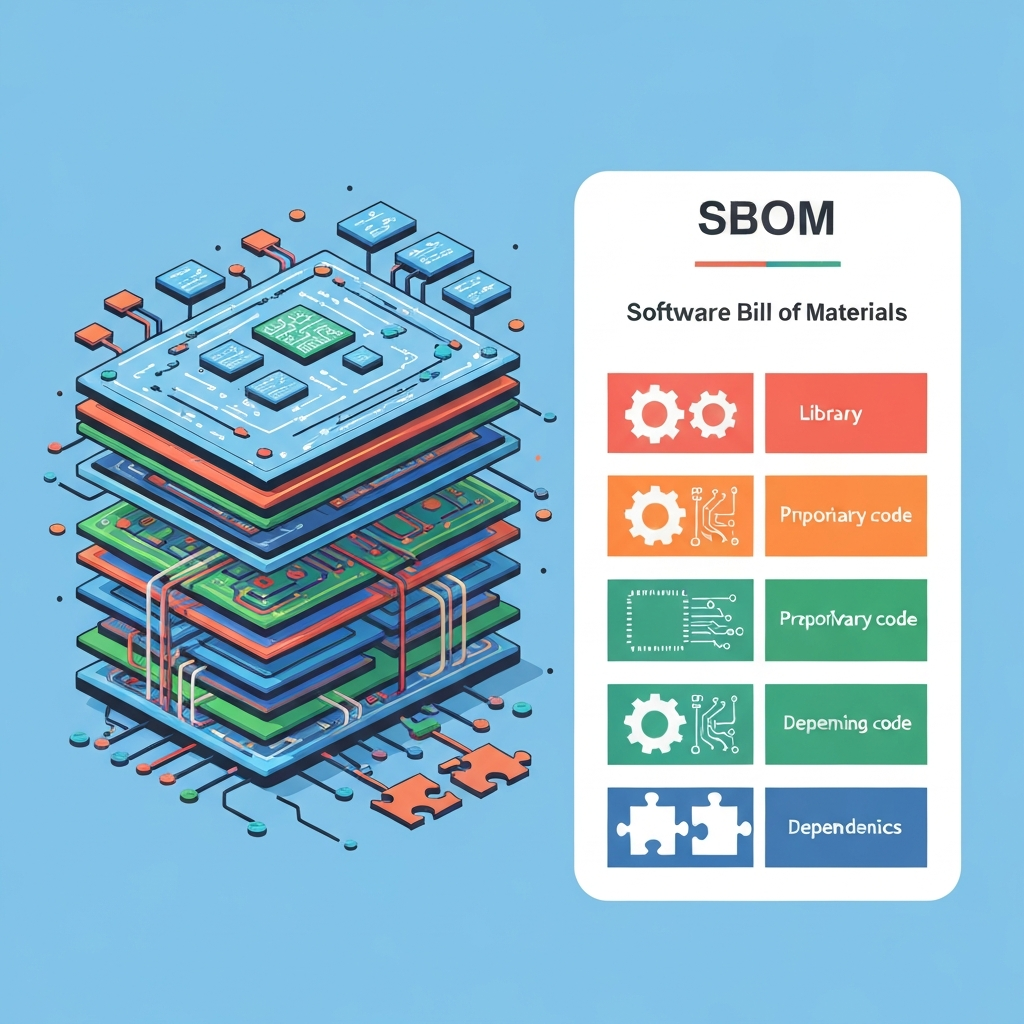
A Software Bill of Materials (SBOM) is a nested inventory of software components, libraries, and their relationships. It acts like a nutrition label for software, detailing every ingredient used in its creation. This includes open-source libraries, commercial software, proprietary code, and even the specific versions and licenses associated with each component. The primary purpose of an SBOM is to provide transparency into the software supply chain, enabling organizations to understand and manage the risks associated with the software they develop, deploy, or consume.
Why is an SBOM Crucial in 2026?
The increasing complexity of software, coupled with a rise in sophisticated cyberattacks targeting software supply chains, makes SBOMs indispensable. In 2026, organizations face mounting pressure from regulatory bodies, customers, and internal security teams to demonstrate a thorough understanding of their software’s composition.
Key drivers for SBOM adoption include:
- Enhanced Security: Identifying known vulnerabilities in third-party components allows for proactive patching and mitigation, significantly reducing the attack surface.
- Compliance: Governments and industry bodies are increasingly mandating SBOMs for critical infrastructure and software. For example, the U.S. Executive Order 14028, signed in 2021, set the stage for widespread SBOM adoption in federal agencies and their contractors.
- Risk Management: Understanding component origins and licenses helps manage legal and operational risks. This includes ensuring license compliance and avoiding the use of components with known security risks.
- Operational Efficiency: SBOMs streamline incident response by quickly identifying affected systems when a vulnerability is disclosed. This dramatically speeds up the process of determining impact and applying fixes.
- Supply Chain Transparency: Businesses can better vet their software suppliers and understand the inherent risks associated with the software they procure.
How are SBOMs Generated?
Generating an SBOM involves analyzing software components and documenting them in a standardized format. Several methods and tools can be employed:
- Build-Time Analysis: Integrating SBOM generation directly into the software build process ensures that the SBOM accurately reflects the components used at compile time. Tools can scan dependency files (like `package.json` for Node.js or `pom.xml` for Maven) and record the components.
- Runtime Analysis: For applications already deployed, runtime analysis tools can inspect running processes and identify loaded libraries and modules. This method is useful for legacy systems or when source code is unavailable.
- Manual Inventory: While less scalable and prone to errors, a manual approach involves meticulously documenting all components. This is typically only feasible for very small projects.
- Software Composition Analysis (SCA) Tools: These specialized tools automate the discovery, identification, and analysis of open-source and third-party components. They can scan code repositories, build artifacts, and running applications to create comprehensive SBOMs. Popular SCA tools include OWASP Dependency-Check, Snyk, and Black Duck.
Standardized SBOM Formats
To ensure interoperability and widespread adoption, standardized formats for SBOMs are essential. The most prominent formats include:
- SPDX (Software Package Data Exchange): An ISO-recognized standard developed by the Linux Foundation, SPDX provides a comprehensive way to document software components, licenses, copyrights, and security-related information. It supports various data exchange formats, including JSON, YAML, and RDF.
- CycloneDX: A lightweight SBOM standard designed for use in application security contexts and the supply chain. It is also a Linux Foundation project and is particularly well-suited for automated security tooling. CycloneDX supports JSON and XML formats.
- SWID (Software Identification) Tags: Developed by the International Organization for Standardization (ISO), SWID tags provide a standardized way to tag software with identification and version information. While not a full SBOM standard in itself, it can be used to represent some SBOM data.
The choice of format often depends on the specific tooling and ecosystem being used, but SPDX and CycloneDX are currently the most widely adopted for comprehensive SBOM generation.
The Role of Automation in SBOM Creation
Given the sheer volume of software components in modern applications, manual SBOM generation is impractical. Automation is key to creating and maintaining accurate SBOMs efficiently.
- CI/CD Integration: Automating SBOM generation within Continuous Integration and Continuous Deployment (CI/CD) pipelines ensures that an up-to-date SBOM is created with every code commit or build. This provides immediate visibility into the software supply chain. DevOps best practices for faster and more reliable software delivery often incorporate such automation.
- Dependency Management Tools: Leveraging package managers and dependency analysis tools that can export component lists in standard formats (like SPDX or CycloneDX) is crucial.
- SCA Platforms: Comprehensive Software Composition Analysis (SCA) platforms automate the entire process, from scanning code to generating and managing SBOMs, often integrating directly with development workflows.
Legal and Licensing Implications of SBOMs
Beyond security, SBOMs play a vital role in managing the legal and licensing aspects of software. Many open-source licenses have specific terms and conditions that must be adhered to. An SBOM clearly lists all open-source components and their associated licenses, helping organizations:
- Ensure License Compliance: Identify any potential license conflicts or violations, preventing legal disputes.
- Manage Commercial Licenses: Track the usage and terms of commercial software components.
- Assess License Risk: Understand the obligations and restrictions imposed by different open-source licenses.
Failure to comply with open-source licenses can lead to significant legal and financial repercussions, making SBOMs an essential tool for legal and procurement teams.
SBOMs and Vulnerability Management
The primary security benefit of an SBOM lies in its ability to accelerate vulnerability management. When a new vulnerability is discovered in a widely used open-source library (e.g., Log4Shell), organizations with SBOMs can quickly:
- Identify Affected Software: Search their SBOMs to determine which applications and systems use the vulnerable component.
- Prioritize Remediation: Assess the risk based on the criticality of the affected systems and the severity of the vulnerability.
- Deploy Patches: Focus patching efforts on the most critical systems first.
This rapid identification and response capability is invaluable in mitigating the impact of zero-day exploits and widespread vulnerabilities. The efficiency gained can directly translate to reduced business risk and operational downtime.
The Future of SBOMs: AI and Beyond
The evolution of SBOMs is closely tied to advancements in artificial intelligence (AI) and machine learning (ML).
- AI-Powered Analysis: AI can enhance SBOM generation by more accurately identifying components, even when they are obfuscated or repackaged. It can also predict potential vulnerabilities based on component history and known exploit patterns. Inteligenta Artificiala Si Automatizarea Testelor Software Viitorul Asigurarii Calitatii discusses the broader impact of AI in software quality.
- Automated Vulnerability Correlation: AI can automatically correlate SBOM data with vulnerability databases (like NVD – National Vulnerability Database) to provide real-time risk assessments.
- Predictive Security: Future SBOM solutions might leverage AI to predict the likelihood of future vulnerabilities appearing in certain types of components or software architectures. Ai Testing Revolution Supercharge Your Software Automation With Lambdatests Unified Platform highlights how AI is transforming software automation.
- Dynamic SBOMs: As software evolves, SBOMs need to be dynamic and updated continuously. AI can help manage these updates and track changes in the software supply chain more effectively.
The integration of AI promises to make SBOMs even more powerful tools for security, compliance, and risk management.
Challenges in SBOM Adoption
Despite the clear benefits, widespread SBOM adoption faces several challenges:
- Tooling Maturity: While improving rapidly, some SBOM generation tools may still struggle with complex software architectures or proprietary components.
- Data Accuracy and Completeness: Ensuring the accuracy and completeness of SBOM data can be difficult, especially for legacy systems or software with unclear origins.
- Integration Complexity: Integrating SBOM generation and management into existing development and security workflows requires effort and expertise.
- Standardization Evolution: While standards like SPDX and CycloneDX are gaining traction, their ongoing evolution can sometimes lead to compatibility issues.
- Organizational Buy-in: Convincing all stakeholders, from developers to legal and management, of the importance and necessity of SBOMs requires clear communication and demonstrated value.
Overcoming these challenges requires a strategic approach, investment in appropriate tools, and a commitment to integrating SBOM practices into the core of software development lifecycle. The journey towards comprehensive software test automation beginner guide 2025 often involves understanding and leveraging SBOMs.
Who Needs an SBOM?
Essentially, any organization involved in creating, distributing, or consuming software benefits from SBOMs. This includes:
- Software Developers: To understand their own code’s composition and identify potential risks early.
- Software Vendors: To provide transparency to their customers and meet compliance requirements.
- Enterprises using Third-Party Software: To assess the security and compliance posture of the software they deploy.
- Government Agencies: To secure critical infrastructure and ensure the integrity of software used in public services.
- Security Teams: To effectively manage vulnerabilities and respond to security incidents.
- Legal and Compliance Teams: To ensure adherence to software licenses and regulatory mandates.
The demand for SBOMs is driven by the interconnected nature of modern software ecosystems. Understanding the components within your software is a fundamental step towards securing it. Even in the context of Automated Testing In Software Driving Business Efficiency And Roi, knowing the underlying components can inform testing strategies and risk assessments.
Conclusion
The Software Bill of Materials (SBOM) is no longer a niche concept but a critical component of modern software security and supply chain management. In 2026, its importance is amplified by the persistent threat landscape and increasing regulatory scrutiny. By providing a transparent and detailed inventory of software components, SBOMs empower organizations to enhance security, ensure compliance, manage risks effectively, and respond rapidly to vulnerabilities.
While challenges remain in adoption, the ongoing advancements in tooling, standardization, and AI integration promise to make SBOMs even more powerful and indispensable. Embracing SBOM practices is a strategic imperative for any organization serious about building and deploying secure, reliable, and compliant software in today’s complex digital world. The future of secure software development hinges on this foundational transparency.
Frequently Asked Questions (FAQ)
What is the primary purpose of an SBOM?
The primary purpose of a Software Bill of Materials (SBOM) is to provide transparency into the software supply chain. It details all the components, libraries, and their versions used in a piece of software, enabling better security risk management, license compliance, and faster incident response.
Are there different formats for SBOMs?
Yes, there are several standardized formats for SBOMs, with the most prominent being SPDX (Software Package Data Exchange) and CycloneDX. These formats ensure interoperability and are recognized by industry and government bodies. SWID tags also play a role in software identification.
How does an SBOM help with software security?
An SBOM significantly enhances software security by allowing organizations to quickly identify if their software uses components with known vulnerabilities. This enables proactive patching and mitigation, reducing the overall attack surface and speeding up response times to new threats.
Is generating an SBOM a manual process?
No, generating an SBOM is typically an automated process. Tools like Software Composition Analysis (SCA) platforms, build-time scanners, and CI/CD pipeline integrations are used to automatically discover, document, and maintain SBOMs, ensuring accuracy and efficiency.
Who is responsible for creating and maintaining an SBOM?
The responsibility for creating and maintaining an SBOM often falls on the software developer or vendor. However, organizations that consume third-party software also benefit from requesting and reviewing SBOMs from their suppliers to understand the risks associated with those products.
What are the main challenges in adopting SBOMs?
Key challenges include the maturity and integration of SBOM tooling, ensuring the accuracy and completeness of the generated data, overcoming organizational resistance to adopting new practices, and keeping pace with evolving standards.


