SBOM Explained: Your 2026 Software Supply Chain Security Guide
Did you know that as of 2026, the global cybersecurity market is projected to reach over $300 billion, with software supply chain security being a paramount concern? Understanding the components within your software is no longer optional but a critical necessity for maintaining robust security. This is where the Software Bill of Materials (SBOM) emerges as a vital tool.
An SBOM is essentially a nested inventory of software components. It lists all the ingredients that make up a piece of software, similar to a nutrition label on food products. This includes commercial, open-source, and even custom-built components. By providing transparency into software composition, SBOMs empower organizations to manage risks, improve security, and streamline compliance.
What is a Software Bill of Materials (SBOM)?
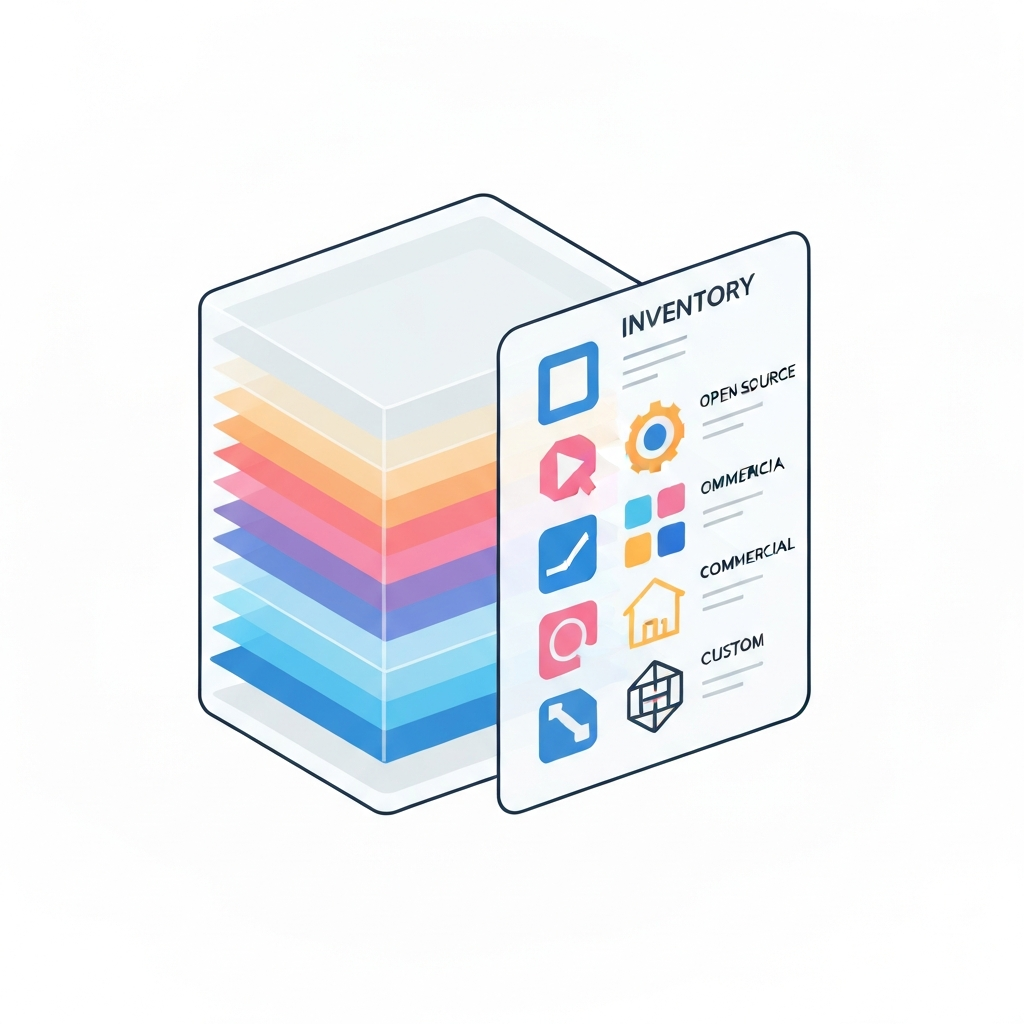
A Software Bill of Materials (SBOM) is a formal, machine-readable inventory of software components and their relationships. It details the provenance of all software, including libraries, modules, and dependencies, that are part of a software product. The primary goal of an SBOM is to provide transparency into the software supply chain, enabling better risk management and security.
Why are SBOMs Crucial in 2026?

The increasing complexity of software development and the rise in sophisticated cyberattacks targeting software supply chains make SBOMs indispensable in 2026. Organizations face mounting pressure from regulators, customers, and internal security teams to demonstrate a clear understanding of their software’s composition. Furthermore, the rapid adoption of open-source software, while beneficial for development speed, introduces inherent risks if not properly managed. SBOMs provide the visibility needed to address these challenges.
- Enhanced Security: SBOMs allow organizations to quickly identify and mitigate vulnerabilities within their software. When a new vulnerability is discovered in a specific component, an SBOM enables rapid assessment of which applications are affected.
- Supply Chain Risk Management: They offer insight into the origin and licensing of software components, helping to manage third-party risks and ensure compliance with licensing agreements.
- Regulatory Compliance: Governments and industry bodies are increasingly mandating SBOMs. For instance, U.S. Executive Order 14028 mandates SBOMs for software sold to the federal government, driving widespread adoption.
- Operational Efficiency: SBOMs can streamline software inventory management, vulnerability patching, and incident response processes.
Key Components of an SBOM
An SBOM typically contains several critical pieces of information about each software component. The exact details can vary based on the generation tool and standard used, but common elements include:
- Component Name: The unique identifier for the software component (e.g., “OpenSSL”).
- Version: The specific version number of the component (e.g., “1.1.1k”).
- Supplier Name: The entity that created or supplied the component (e.g., “The OpenSSL Project”).
- Unique Identifiers: Such as Package URLs (PURL), CPE (Common Platform Enumeration), or SWID (Software Identification) tags, which provide standardized ways to identify components.
- Relationship: How the component relates to other components (e.g., “is a dependency of,” “is compiled from”).
- License Information: The open-source or commercial license associated with the component.
- Author Name: The original author of the component, if applicable.
- Hash Value: Cryptographic hashes (like SHA-1, SHA-256) to verify the integrity of the component files.
Popular SBOM Standards and Formats
To ensure interoperability and widespread adoption, several standards and formats have emerged for generating and consuming SBOMs. The most prominent ones include:
- SPDX (Software Package Data Exchange): An ISO standard (ISO/IEC 5962:2021) designed to provide a standard format for communicating software bill of materials information, including components, licenses, copyrights, and security-related information. SPDX documents can be generated in various formats, such as JSON, YAML, and RDF.
- CycloneDX: A lightweight SBOM standard designed for use in application security contexts and supply chain component analysis. It is an OWASP flagship project and supports JSON, XML, and Protocol Buffers formats.
- SWID (Software Identification) Tags: These are standardized tags that provide a way to identify installed software. While not a full SBOM in themselves, they can be used to describe software components and their relationships.
How are SBOMs Generated?
Generating an SBOM involves using specialized tools that analyze software code, build artifacts, or running systems. The process typically falls into a few categories:
- Build-time Generation: Tools integrate into the software build process (CI/CD pipelines) to capture component information as the software is being compiled or packaged. This is often the most accurate method as it directly reflects what goes into the final product.
- Analysis of Distribution Formats: Tools can analyze software packages (like JAR files, Docker images, npm packages) to extract component data.
- Runtime Analysis: Some tools monitor applications while they are running to identify loaded libraries and dependencies. This can be useful for legacy systems or where build-time access is not possible.
Popular tools used for SBOM generation include:
- Syft: An open-source tool that generates a SBOM from container images and filesystems.
- Tern: Another open-source tool that analyzes container images to identify software packages and their metadata.
- CycloneDX Tooling: The CycloneDX project offers various tools and plugins for different languages and build systems to generate CycloneDX-compliant SBOMs.
- SPDX Tooling: Similar to CycloneDX, the SPDX community provides tools and plugins for generating SPDX-formatted SBOMs.
Practical Applications of SBOMs
The value of an SBOM extends beyond just listing components. Organizations leverage SBOMs for a variety of critical functions:
Vulnerability Management
When a new zero-day vulnerability is disclosed, such as a critical flaw in a widely used library, security teams can immediately query their SBOM repository. This allows them to pinpoint exactly which applications and systems are running the vulnerable component. This drastically reduces the time needed for impact assessment and enables faster remediation efforts. For example, if a vulnerability is found in `log4j` version 2.15.0, an organization with an SBOM can quickly identify all deployments using that specific version.
License Compliance
Open-source software often comes with various licensing terms. Failure to comply with these licenses can lead to legal issues and financial penalties. SBOMs provide a clear record of all open-source components and their associated licenses. This enables legal and compliance teams to proactively manage license obligations and avoid potential disputes. Tracking licenses like GPL, MIT, or Apache ensures that the terms of use are respected throughout the software lifecycle.
Operational Technology (OT) and Industrial Control Systems (ICS) Security
In critical infrastructure sectors, the security of OT and ICS environments is paramount. These systems often rely on specialized software with long lifecycles. SBOMs help these organizations understand the components within their legacy systems, identify potential risks, and plan for secure upgrades or replacements. This visibility is crucial for maintaining the integrity and availability of essential services.
Mergers and Acquisitions (M&A)
During M&A activities, understanding the software assets of the target company is vital. SBOMs provide a clear and auditable view of the target’s software composition, including any potential risks or licensing complications. This due diligence process can uncover hidden liabilities or valuable intellectual property embedded within the software.
Challenges in SBOM Adoption
Despite their clear benefits, the widespread adoption of SBOMs faces several challenges in 2026:
- Tooling Maturity and Integration: While tooling has improved significantly, challenges remain in seamlessly integrating SBOM generation into diverse development workflows and ensuring consistent data quality across different tools.
- Data Accuracy and Completeness: The accuracy of an SBOM is dependent on the quality of the generation tool and the completeness of the information it can access. In complex software environments, achieving 100% accuracy can be difficult.
- Scalability: Managing and analyzing SBOMs for thousands of applications and services requires robust infrastructure and efficient data management practices.
- Lack of Standardization: While SPDX and CycloneDX are gaining traction, the existence of multiple standards can sometimes lead to confusion and interoperability issues.
- Organizational Buy-in: Effectively leveraging SBOMs requires a shift in mindset and processes across development, security, and operations teams. Securing this buy-in and fostering collaboration is crucial.
The Future of SBOMs
The trajectory for SBOMs in 2026 and beyond is one of increasing importance and integration. We can anticipate several key developments:
- Wider Regulatory Mandates: Expect more governments and industry sectors to introduce mandatory SBOM requirements, similar to the U.S. Executive Order.
- Enhanced Tooling and Automation: SBOM generation and analysis tools will become more sophisticated, offering better accuracy, broader language support, and deeper integration into development pipelines.
- Integration with Security Platforms: SBOM data will be increasingly integrated into broader security platforms, such as vulnerability scanners, SIEMs, and cloud security posture management (CSPM) tools, providing a unified view of software risk.
- Focus on Software Supply Chain Attestation: SBOMs will be a cornerstone of efforts to attest to the security and integrity of software throughout its lifecycle, from development to deployment.
- Standardization Evolution: Standards like SPDX and CycloneDX will continue to evolve, incorporating new features and addressing emerging needs in software supply chain security.
Conclusion
In the dynamic landscape of 2026, the Software Bill of Materials (SBOM) has transitioned from a niche concept to a fundamental requirement for robust cybersecurity and transparent software supply chain management. By providing a detailed inventory of software components, SBOMs empower organizations to proactively identify and mitigate risks, ensure license compliance, and meet evolving regulatory demands. While challenges in adoption and tooling persist, the ongoing advancements and increasing mandates signal a future where SBOMs are an integral part of every software development and security strategy. Embracing SBOMs is not merely a compliance exercise; it is a strategic imperative for building and maintaining secure, trustworthy software in the modern digital age. Organizations that prioritize SBOM implementation will be better positioned to navigate the complex threat landscape and build confidence in their software supply chains.
Frequently Asked Questions (FAQs)
What is the primary purpose of an SBOM?
The primary purpose of an SBOM is to provide transparency into the software supply chain by listing all components, including open-source libraries and dependencies, that make up a software product. This visibility is crucial for managing security vulnerabilities, ensuring license compliance, and understanding software provenance.
Are SBOMs legally required?
While not universally mandated, SBOMs are increasingly becoming a de facto requirement, especially for software sold to government entities or critical infrastructure. For example, U.S. Executive Order 14028 requires SBOMs for software sold to the U.S. federal government, driving significant adoption across industries. Compliance with open-source licenses also necessitates understanding software components, which SBOMs facilitate.
What are the main standards for SBOMs?
The two most prominent standards for SBOMs are SPDX (Software Package Data Exchange) and CycloneDX. Both provide machine-readable formats for documenting software components, their licenses, and relationships. SPDX is an ISO standard, while CycloneDX is an OWASP flagship project.
How do SBOMs help with vulnerability management?
SBOMs help vulnerability management by enabling rapid identification of affected systems when a new vulnerability is discovered. Security teams can quickly cross-reference a newly disclosed vulnerability against their SBOMs to determine which software products contain the vulnerable component, allowing for faster patching and risk mitigation.
Can SBOMs be generated automatically?
Yes, SBOMs can be generated automatically using specialized tools. These tools analyze source code, build artifacts, container images, or running applications to create a formal inventory of software components. Integration into CI/CD pipelines is a common method for automated SBOM generation.
What is the difference between an SBOM and a traditional software inventory?
A traditional software inventory might list installed applications on a system. An SBOM, however, goes much deeper by detailing the specific components, libraries, and dependencies within each software application, including their versions, licenses, and suppliers. This granular detail is essential for advanced security and supply chain analysis.